Welcome To Nurture Births

I offer bespoke support to expectant parents, helping you navigate through the emotional, physical, and practical aspects of childbirth.and the maternity system. With a focus on building confidence and providing evidence-based education, I help you prepare for labour, birth, and early parenthood. Focusing on positivity, ergonomics and breathwork. I will help you create a positive birth story..
Get More Information
Classes

Class 1
Holistic BIrth Preparation led by Midwife Claire Jones
Antenatal Courses & Classes
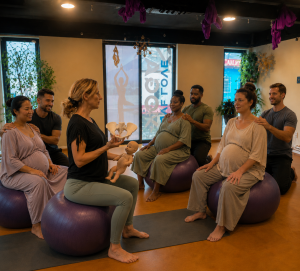
Midwife Claire Jones guides you through pregnancy, labour, childbirth, and the fourth trimester. Classes are comprehensive and cover essential topics., Birth planning, resourcing through visual arts,yoga based Active birth, and newborn care. Claire empowers parents with the knowledge and skills to make informed decisions, reduce anxiety, and approach childbirth with confidence. Guidance includes emotional and physical preparation strategies, combined with evidence based practical skills for you and your companion.
Planning
Birth Planning is the process of outlining your preferences and expectations for labour, birth, and postpartum care. It helps communicate your wishes to your healthcare team and birth companion, ensuring everyone is on the same page. A birth plan typically includes preferences for pain management, labour positions, interventions (such as induction or caesarean), who will be present, and newborn care. While flexibility is key, as birth can be unpredictable, having a birth plan empowers you to make informed decisions and feel more in control of your birthing experience.

Techniques
Birthing Techniques are methods and practices used during labour and birth to help manage pain, promote comfort, and assist in the birthing process. These techniques include breathing exercises, relaxation methods, and specific labour positions designed to ease contractions and encourage the baby’s movement through the birth canal. Common approaches like the Lamaze method focus on breathing and relaxation, while others, such as water birth or hypnobirthing, emphasize a calm, natural environment. The goal of birthing techniques is to support a smoother, more positive birth experience for both mother and baby.


Birthing Tips are practical suggestions to help expectant mothers navigate labour and birth more comfortably and confidently. These include:
- Stay active: Use movement and different labour positions to encourage progress and relieve discomfort.
- Breathe deeply: Practice controlled breathing to manage pain and stay calm during contractions.
- Stay hydrated and nourished: Small sips of water and light snacks (if permitted) can help maintain energy levels.
- Use relaxation techniques: Visualisations, massages, and warm baths can help reduce tension.
- Lean on your support team: Birth companions can provide physical and emotional support during labour.
These tips are designed to make the birthing process more manageable and positive.
Pregnancy
Birth Coaching provides guidance and support throughout the entire birthing process, helping expectant parents prepare for and navigate each stage of childbirth. It includes:
- Birthing Positions: Coaching on various labour positions to ease discomfort, promote optimal fetal positioning, and support a smoother birth.
- Birthing Your Baby: Techniques and strategies for effectively managing contractions and pushing to bring your baby into the world safely.
- Birthing the Placenta: Guidance on the final stage of labour, focusing on the birth of the placenta and ensuring a healthy recovery.
- Role of Birth Companion: Training for your birth companion or support person on how to provide emotional and physical support, and assist in making informed decisions during labour.
Birth coaching aims to empower and prepare you for a positive and well-supported birth experience.

Skin to Skin
Skin-to-Skin Contact After Birth is the practice of placing the newborn directly on the mother’s (or father’s) bare chest immediately after birth. This close contact helps regulate the baby’s body temperature, heart rate, and breathing, while promoting bonding and a sense of security. It also encourages the release of oxytocin, which aids in responsive feeding and strengthens the emotional connection between parent and baby. Skin-to-skin contact has numerous health benefits, including supporting the baby’s immune system and reducing stress for both mother and child.

Class 2
The 4th trimester
Mother baby bonding
Bonding with Your Baby After Birth From the moment you meet Claire she will guide you to create a strong emotional connection with your baby. Drawing on over 20 years experience and a passion for research into baby brain development and maternal mental health . Claire will guide you through the information and help you to listen to your body and your baby. Learn about baby sleep patterns and the fourth trimester.
You will enter parenthood closer to each other and your baby

Baby Care
Newborn Baby Care involves tending to the immediate needs of a baby in the first weeks of life to ensure their health and development. This includes:
- Feeding: Regular responsive feeding to provide essential nutrition.
- Sleeping: Creating a safe sleep environment, with the baby sleeping on their back to reduce the risk of SIDS.
- New Born Skin Care: Changing frequently and keeping the baby’s skin clean and dry.
- Monitoring health: Watching for signs of jaundice, tracking weight gain, and ensuring regular health visitor checkups.
Newborn care also involves providing love, comfort, and security to promote healthy bonding and development.

Baby Safety
Baby Safety involves taking precautions to protect newborns from potential hazards and ensure their well-being. Key aspects include:
- Safe sleep: Expert advice for safer sleep for babies
- Travelling safety: Using a properly installed, rear-facing car seat for all travel.
- Bathing safety: Expert advice on how to bath baby safely.
- Handling safety: Always supporting the baby’s head and neck, and ensuring they are never left unattended on high surfaces.
These steps help create a safe environment for your baby’s growth and development.


Mother Self-Care After Birth is essential for physical recovery and emotional well-being. It involves:
- Physical recovery: Resting, staying hydrated, eating nutritious meals, and managing postpartum pain through proper wound care and gentle exercise as recommended.
- Mental and emotional health: Seeking support from family, friends, or professionals to manage stress, anxiety, or postnatal depression.
- Breast care: If responsive feeding, maintaining good nipple hygiene and addressing issues like engorgement or soreness.
- Rest and sleep: Prioritising rest whenever possible, as sleep can be disrupted with a newborn.
Self-care helps mothers regain strength, adjust to the demands of motherhood, and promotes long-term well-being.
Online Courses
Join Claire for Online Workshop and Bespoke Private Classes
Birth Complications
Sometimes your birth Journey changes unexpected issues may arise during pregnancy, labour, or birth, potentially affecting the health of the mother or baby. Common complications include:
- Preterm labour: Labour that begins before 37 weeks of pregnancy.
- Preeclampsia: A condition characterised by high blood pressure and potential damage to organs.
- Prolonged labour: Labour that lasts more than 20 hours, increasing the need for interventions.
- Breech position: When the baby is positioned feet or buttocks first, potentially leading to a caesarean birth.
- Gestational Diabetes: Gestational diabetes is diabetes that can develop during pregnancy. It affects women who haven’t been affected by diabetes before.
Early detection and obstetric care can help manage these complications to ensure a safer birth experience.

Breast Feeding
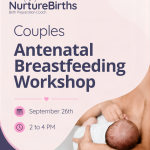
Breastfeeding for New Mothers involves providing your baby with vital nutrients and antibodies through breast milk, which supports their growth and immune system. It also fosters a strong bond between mother and baby. Early responsive feeding helps with milk production and can reduce postpartum bleeding. New mothers may face challenges like latching difficulties or discomfort, but with the right techniques and support, these can be managed. Regular feeding, a comfortable position, and ensuring the baby is latching properly are key to successful responsive feeding.

Baby First Aid Tips
Newborn Baby First Aid involves immediate actions to address common emergencies and ensure the baby’s safety. Key areas include:
- Choking: Performing back slaps and chest thrusts to dislodge any obstructions if the baby is choking.
- CPR (Cardiopulmonary Resuscitation): Administering chest compressions and rescue breaths if the baby is not breathing or has no pulse.
- Burns and injuries: Cooling burns with lukewarm water and seeking medical help for injuries or serious conditions.
- Bleeding: Applying gentle pressure to stop bleeding from cuts or minor wounds and seeking prompt medical attention if bleeding is severe.
Knowing these basic first aid techniques can help respond effectively in emergencies and ensure the baby’s safety.

Claire has listened to you…and now provides a ‘nanny’ service for events. While your guests enjoy the event I will look after their children. I am a qualified Nurse and Registered Midwife. Relax and enjoy your meal while I look after your baby. POA.
Claire Jones Midwife and mother of two children uses gentle parenting and is able to look after up to 4 children aged 0 to 5 years old.
Art supplies and musical activities are included